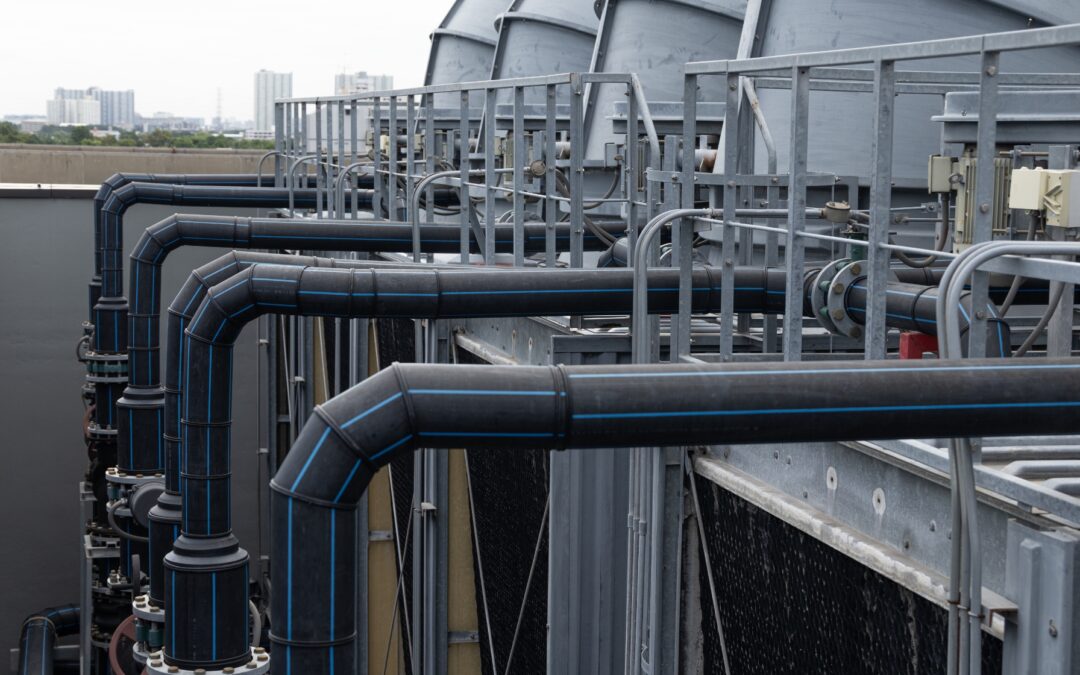
The continuous, reliable operation of heating, ventilation, and air conditioning (HVAC) systems is essential for occupant comfort, data center stability, and overall energy management in commercial buildings. Glycol-Based Thermal Fluids for HVAC systems are a key, long-term component in achieving this efficiency. These specialized fluids circulate within closed-loop systems to protect equipment, transfer heat efficiently, and prevent costly failures.
The Importance of Thermal Fluids in HVAC Systems
Thermal fluids, particularly those based on a water-glycol mixture, are integral to the operation of closed-loop HVAC and hydronic systems. Their primary function is to transfer heat effectively while providing necessary protection.
Function and Benefits
In a closed-loop system, the fluid recirculates in a sealed network, minimizing exposure to outside contaminants. The fluid is engineered to:
Provide Freeze Protection: The addition of glycol significantly lowers the freezing point of water, a property known as freezing point depression. This prevents the heat transfer fluid from freezing and expanding, which is critical for protecting exposed pipes, coils, and heat exchangers from costly rupture and damage, especially in cold climates or during off-season shutdowns. Properly formulated glycol mixtures can achieve burst protection to temperatures as low as -100F depending on concentration.
Prevent Corrosion: Pure glycol can degrade into organic acids, accelerating corrosion. High-quality inhibited glycol solutions are essential because they contain specialized corrosion inhibitor packages. These inhibitors prevent the oxidation of metals like steel, copper, and aluminum by forming a passive, protective film on the component surfaces. This continuous protection is key to maximizing system lifespan and preventing scale and sludge buildup that reduces thermal efficiency.
Enhance Energy Efficiency: The solution provides stable thermal management across a wide range of operating temperatures. While glycol has slightly lower heat transfer efficiency than pure water, this small trade-off is necessary to gain the non-toxic nature, freeze protection, and corrosion resistance needed for safe, long-term system operation in commercial building heat transfer. The correct concentration is crucial; too little glycol risks freezing, while too much can increase viscosity and reduce pumping energy efficiency.
The correct fluid choice directly leads to lower operating costs and improved system reliability, supporting a high level of commercial building heat transfer.
Closed-Loop HVAC vs. Refrigeration
It is important to understand the role of these fluids in different systems.
Closed-Loop HVAC systems circulate a fluid (often water/glycol) through pipes to chillers, boilers, and terminal units (like air handlers) throughout a building to manage climate control. The fluid itself is the medium that carries heat energy to or away from the occupied spaces.
Closed-Loop Refrigeration systems typically involve a refrigerant gas (like Freon or ammonia) circulating in a sealed, primary circuit to absorb and reject heat, creating the “cold.” This is more common in commercial refrigerators or freezers. Glycol fluids are often used in secondary cooling loops to distribute the cooling effect from a central chiller to various points of use.
Key Applications in Commercial Buildings
Glycol-based fluids are essential across the building’s thermal infrastructure.
Chillers and Boilers: In central plants, the fluid ensures efficient heat rejection in chillers and heat delivery in boilers, serving as the foundation for the entire building’s climate control.
Radiant Heating/Cooling Systems: These systems require consistent, moderate temperatures for occupant comfort. The fluid supports the slow, steady heat exchange needed for radiant floors or ceilings, avoiding temperature spikes.
Hydronic Loops: Whether transporting chilled water or heated water, the integrity of the hydronic loops depends on the fluid preventing internal damage and ensuring the fluid is moved efficiently over long distances.
The Distinction in Closed-Loop Systems
It is crucial to differentiate between general climate control and specialized process cooling, as both rely on closed-loop fluid systems for distinct purposes.
Closed-Loop HVAC (Climate Control)
This system uses the fluid (typically a water/glycol mix) circulating through the primary network of pipes, chillers, and air handlers to manage the ambient temperature of the building’s interior spaces. The goal is human and equipment comfort, delivering heated or cooled energy to various rooms or zones.
Large-Scale Comfort Cooling and Heating: In major commercial structures like high-rise office buildings, shopping malls, and convention centers, closed-loop hydronic systems efficiently distribute heating and cooling from central plants (chillers and boilers) to air handling units (AHUs) throughout the facility. Using a glycol mixture prevents freezing in chillers during winter operation or in lines that pass through unconditioned spaces, safeguarding multi-million dollar equipment.
Critical Air Conditioning Systems (CRAC/CRAH): Data centers and telecommunications rooms require continuous, year-round cooling, regardless of outside temperature. Closed-Loop HVAC is used to deliver the precise cold water necessary for Computer Room Air Conditioner (CRAC) and Computer Room Air Handler (CRAH) units. This ensures IT hardware operates within its optimal thermal envelope, preventing downtime and maintaining Service Level Agreements (SLAs).
Seasonal and Emergency Protection: For systems utilizing outdoor components like dry coolers or fluid coolers, glycol provides essential freeze protection for chillers. This allows the building to safely leverage energy-saving free cooling methods during colder months without the risk of system failure due to fluid freezing.
Closed-Loop Refrigeration (Process Cooling)
This system uses the fluid (often a glycol mix) in a secondary circuit to remove heat directly from process equipment, machinery, or temperature-critical storage units. The goal is product or equipment integrity, such as maintaining precise temperatures in freezers, laboratory equipment, or specialized manufacturing processes.
Commercial Freezers and Refrigerators: In supermarkets, commercial kitchens, and large-scale food processing facilities, the refrigeration plant uses a glycol mix to circulate cooling energy to the individual “boxes everywhere”, such as display cases, walk-in freezers, and cold storage units. The closed loop ensures consistent, regulated temperatures crucial for food safety and inventory preservation, providing precise heat removal for temperature-critical storage.
Laboratory and Pharmaceutical Equipment: Research and manufacturing environments use precise cooling for specialized machinery. This includes cooling reaction vessels in chemical synthesis, maintaining set temperatures in laboratory incubators and environmental chambers, and circulating fluids to analytical equipment. These applications often require the non-toxic nature of propylene glycol for regulatory compliance and safety.
MRI and Medical Equipment Cooling: High-tech medical devices, especially Magnetic Resonance Imaging (MRI) machines, generate substantial heat from their superconducting magnets and electronics. A dedicated closed-loop refrigeration system circulates glycol-based fluid to remove this heat quickly and reliably, ensuring the equipment remains stable and operational for continuous patient care.
Manufacturing and Industrial Processes: Heat-generating industrial equipment, such as injection molding machines, hydraulic presses, and welding systems, rely on dedicated process chillers. A glycol-based fluid is pumped through the machine jackets or cooling circuits to remove process-specific heat, preventing overheating that could lead to equipment damage or product defects.
Preventative Maintenance Strategies
The lifespan of a high-quality, inhibited glycol-based fluid is designed to be very long—often many years. Fluid should only be added if there is an active leak in the closed system.
Fluid Longevity and Top-Ups
A major misconception is that glycol fluid needs frequent “topping off.” Since the fluid is in a closed-loop system, there should be no fluid loss except through minor seal weepage.
Top off only if it’s leaking. If a facilities team finds they are topping off too much, it’s a strong indication that they have the wrong fluid for their system (likely uninhibited or degraded), or, more commonly, they have a significant, undetected leak. Frequent top-ups simply add fresh water, diluting the vital corrosion inhibitors and accelerating system damage.
Dye as a Diagnostic Tool: To help facilities teams identify the precise source of fluid loss, Douglas ProTech can add a safe, system-compatible dye to our HTF to identify system leaks, at no added cost. This allows maintenance staff to quickly spot and repair leaks, protecting the system from inhibitor dilution.
Routine Fluid Testing
Routine Fluid Testing is the only way to confirm system health. This involves checking for clarity, pH, and evidence of degradation (like dark color or strong odor). Scheduling regular analysis is crucial to catch issues like inhibitor depletion, which can cause system failures long before any visible signs appear.
System Flushing and Replacement
If testing confirms the fluid has degraded, the action must be a complete fluid replacement. This involves removing the old or contaminated fluids and flushing lines to clear out corrosion byproducts before introducing the new, correctly inhibited glycol-based thermal fluids.
Expert Guidance for Building Managers
Choosing the Right Fluid
The choice of fluid must match the system requirements and local climate zone. For example, a system in a mild climate may need less glycol concentration for freeze protection but still requires full corrosion inhibition. Considering energy efficiency means selecting fluids with optimal heat transfer properties that maintain performance over time.
Staff Training and Safety
Regular, mandatory staff training on fluid handling, correct storage, and emergency response is essential. Teams must understand how to properly read pressure gauges and safely conduct fluid top-ups if a leak has been corrected.
Partnering with Experts
The benefits of working with a specialized provider like Douglas ProTech for ongoing support are substantial. We can conduct comprehensive system audits, provide tailored recommendations, and offer the specialized fluids and technical guidance needed to maximize building system maintenance and longevity.
Maintenance Checklist for Facilities Teams
Proactive checks are the most effective way to protect your closed-loop systems.
Daily Check: Verify system pressure gauges are within the normal operating range; check for pump noise or vibration.
Weekly Check: Visually inspect the sight glass and pipe insulation for any signs of wetness or crystallization (a sign of a leak).
Monthly Check: Record fluid level and volume of any makeup water added; check temperature consistency across heat exchangers.
Quarterly Check: Schedule and submit a fluid sample for external lab analysis (checking pH, inhibitor levels, and freeze point).
Documentation: Maintain detailed logs of fluid additions, maintenance actions, and all lab results for warranty protection and compliance records.
Proactive management of your glycol-based thermal fluids is the foundation of an energy-efficient HVAC system. By understanding that a healthy closed-loop system shouldn’t require frequent fluid additions, and by using tools like dye to immediately spot leaks, building managers can dramatically cut operating costs, prevent catastrophic failure, and ensure stable, comfortable building operations for years to come.
Contact Douglas ProTech for recommendations and support in optimizing your thermal fluid management program.