
PH3 Aluminum Phosphide fumigant protects stored commodities from damage by insects, solving the farmer’s needs of product preservation before going to market.
PH3 Eliminates Stored Product Pests
- Containing 60% aluminum phosphide as the active ingredient, a versatile fumigant available as tablets or pellets, allowing for the controlled release of phosphine gas when exposed to moisture and heat. Degrades to non-toxic phosphoric acid, which leaves no residue.
- Proven to control all developmental stages of stored product pests, and in limited areas may be used to control burrowing vertebrate pests.
- Readily penetrates many kinds of packing materials as well as densely packed commodities that may be otherwise inaccessible to insecticide sprays or dusts.
- Penetrates and diffuses in commodities without causing any color or quality changes to characteristics of the original commodity.
- Labeled for use with raw agricultural commodities, animal feed, processed foods, tobacco and nonfood items.
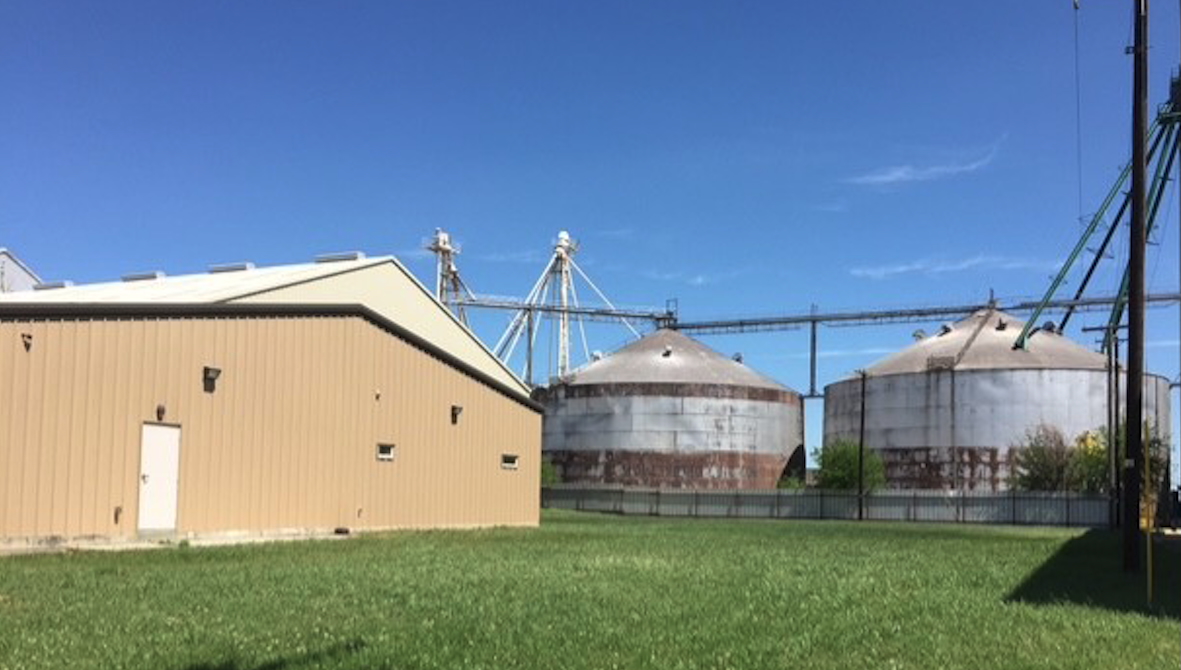
- Labeled uses include silos, farm bins, flat storage, ground piles, and in-transit fumigations for commodities being shipped by rail, barge or ships.
- Can be used on seed without concern about harming germination.
- PH3 is a Restricted Use Pesticide. Always read and follow label directions.
Available Dealers
PH3 Aluminum Phosphide Fumigant is a restricted use pesticide that can be purchased directly from us or through these featured dealers:

Buy at FSS, Inc.
Fumigation Supply Services, Inc. / FSS, Inc.

Buy at Pest Fog Sales
Pest Fog Sales – Fumigants & Insecticides
Packaging Options
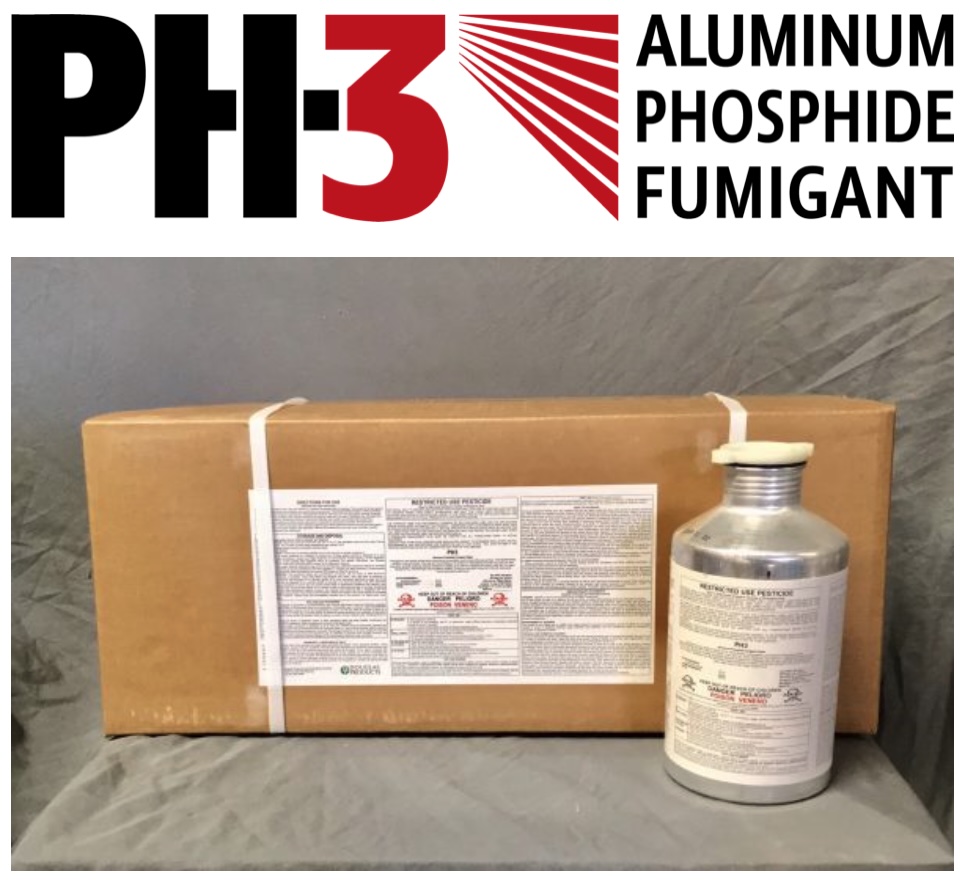
PH3 fumigant is available in pellet (0.6 gram) and tablet (3 gram) formulations in sealed aluminum flasks. Douglas ProTech provides consultation about whether pellet or tablet formulations are best for each application for most efficacious results.
Ingredients:
• Active: Aluminum Phosphide (60%)
Application Method:
Administer tablets or pellets by hand, automatic dispenser or probe, with no need to return aluminum flask containing both pellet and tablet formulations.
When fumigating silos or bins, the tablets or pellets may be added to the commodity during the filling procedure.
Automatic dispensers are the most economical and safe method of application for treatment in silos.
Application Guidelines:
Refer to the EPA-registered labeling for the correct range of doses and safety procedures based on site requirements and the target pest.
- Note that cubic feet, and not occupied commodity volume, will determine correct dosage.
- Plan enough time for the fumigation for optimal results; refer to labeling for proper concentration vs time and temperature.
- Correct sealing is the most overlooked factor in most fumigations.
- Isolate, remove, or seal any computerized equipment and/or small electrical motors that may be present inside the fumigated structure; phosphine gas corrodes precious metals such as copper, gold, and silver.
FAQs - PH3 Aluminum Phosphide
How does PH3 work?
Our formulations of solid aluminum phosphide release hydrogen phosphide (phosphine) gas when exposed to moisture and heat. Warm, humid air accelerates the reaction while cool, dry air slows it down. The reaction starts slowly, gradually accelerates and then tapers off. Phosphine is lethal to insects and rodents, but degrades to phosphoric acid, which is non-toxic.
How is the dosage of PH3 determined?
Read the application guide and label for dosage instructions, and contact us for further consultation on the best dosage for your situation.
How to determine between using tablets or pellets?
In most cases, it’s the fumigator’s preference as to whether tablets or pellets are best used. Tablets are five times larger than pellets, and therefore provide release of phosphine gas over a more extended period of time. Pellets are smaller and result in a more concentrated release of phosphine gas over a shorter period of time.
How can we be sure the fumigation is successful?
One of the most crucial factors for a successful fumigation is to properly seal the storage structure tightly for fumigation, thereby containing and concentrating the phosphine fumes. This includes sealing all spouts going into the grain bin. Follow all application instructions.
Is it possible to recirculate phosphine gas within the same bin?
Yes, phosphine gas can be recirculated. Contact us for a consultation about your specific application.
See Our Other Products:
Keep Your Commodities Clean
Max Kill Vapo-Cide is a versatile liquid insecticide that can be used either as a fog or spray to provide effective control against exposed stages of stored-product insects.

Dusta-Cide 6: Protecting Stored Grain

BioStim Bioremediation Products
Digesting and eliminating grease buildup in drains, grease traps, lift stations, sewer lines and septic systems with BioStim microbial-based bioremediation products.