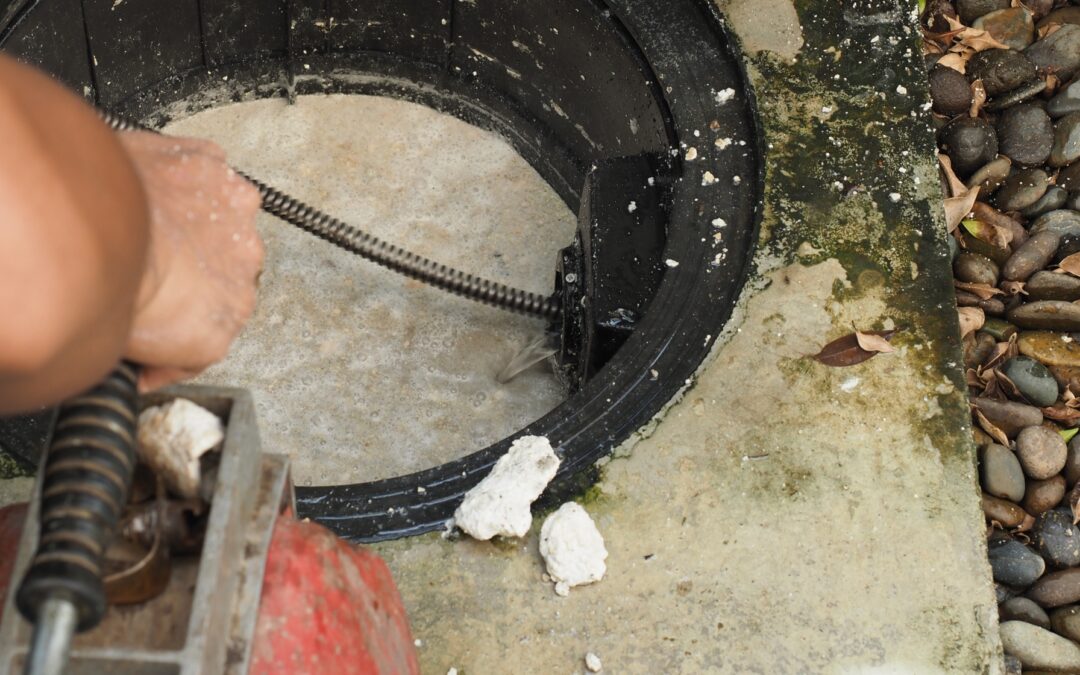
For city and municipal public works departments, the daily challenge of maintaining critical infrastructure is constant. Among the most persistent and costly issues is the management of Fats, Oils, and Grease (FOG). Unmanaged FOG leads to the hidden risks of poor sewer system health, resulting in blockages, backups, and Sanitary Sewer Overflows (SSOs). These incidents not only create immediate operational crises but also trigger rising maintenance costs and intense regulatory scrutiny. This environment demands a shift from reactive repairs to proactive, ongoing maintenance.
What Is a Grease Interceptor and Why Does It Matter?
A grease interceptor is a plumbing device designed to intercept and hold FOG from food preparation and manufacturing effluent before it enters the municipal wastewater system. Its function is to allow wastewater to cool, which causes the FOG to solidify and separate, trapping it for scheduled removal.
FOG originates primarily from commercial and industrial sources—restaurants, food processing plants, institutional kitchens, and manufacturing facilities. The grease interceptor is the frontline defense for public infrastructure. Without these devices, or with poor maintenance of them, massive volumes of FOG travel downstream. The environmental and operational impacts of unmanaged FOG on city systems are severe, leading to restrictions in pipe flow, reduced sewer capacity, and ultimately, system failure.
Grease Release is a product-based solution designed to integrate seamlessly into existing municipal cleaning routines, simplifying FOG management on a large, continuous scale.
The Consequences of Poor Grease Trap Maintenance
When grease interceptors are neglected or inadequately maintained, the costs quickly escalate far beyond routine cleaning expenses.
The most immediate consequence is the formation of major sewer blockages, leading to expensive and disruptive emergency repairs. Blockages cause wastewater to back up into streets or private property, creating serious health hazards. Operationally, this means the deployment of emergency sewer truck teams, often outside of normal working hours, dramatically increasing labor and equipment costs.
From a regulatory standpoint, these blockages frequently result in SSOs. This leads to environmental code compliance failures, potentially incurring significant regulatory penalties and fines from state and federal agencies. Prolonged FOG buildup also causes physical damage to public infrastructure, requiring costly rehabilitation or replacement of affected pipes and lift station equipment.
Why a Product-Based Solution Is Essential
Traditional grease trap cleaning methods, such as manual skimming or infrequent high-pressure jetting, are labor-intensive and often fail to keep pace with the sheer volume of FOG generated by modern commercial areas. Manual cleaning removes the bulk grease, but does little to address FOG that has begun to accumulate further down the line or within hard-to-reach interceptor baffles.
The complex nature of modern wastewater systems necessitates an ongoing, easy-to-use product solution to maintain system health and compliance between scheduled maintenance cycles. Cities and contractors recognize that specialized solutions like Grease Release are vital for sustainable, large-scale commercial grease removal because they provide continuous, preventative treatment that traditional methods can’t offer alone.
How Grease Release Works
Grease Release is a concentrated, non-caustic formula specifically designed to address FOG buildup within the system, not just at the surface of the trap. It acts proactively to emulsify and break down accumulated FOG, allowing it to move smoothly through the system without solidifying into hard masses that cause blockages.
The product is designed for simple, large-scale sewer maintenance. Maintenance crews can integrate Grease Release directly into standard municipal cleaning routines using sewer trucks and existing dosing equipment. The formulation is highly concentrated, requiring lower volumes for effective treatment across a large area. Specific dosing instructions with application frequency are provided to professional users to ensure optimal performance. Crucially, its specialized composition ensures full compatibility with all standard grease interceptors and municipal plumbing infrastructure.
Benefits of Regular Grease Release Use
Incorporating Grease Release into a regular maintenance program provides clear operational, financial, and compliance advantages:
- Prevents Costly Blockages and Sewer Overflows: By actively treating FOG before it can cause major obstructions, the risk of SSOs and emergency call-outs is significantly reduced.
- Reduces Frequency and Intensity of Manual Cleanings: By maintaining cleaner pipes and interceptors, the need for intensive, labor-heavy sewer truck cleanings is lessened, freeing up municipal resources for other infrastructure priorities.
- Supports Ongoing FOG and Environmental Code Compliance: Proactive treatment helps cities meet regulatory requirements by minimizing the occurrence of SSOs, ensuring adherence to discharge permits.
- Environmentally Responsible: The non-caustic formulation supports municipal sustainability goals by offering an effective FOG solution without relying on harsh, aggressive chemicals.
Applications: Who Should Use Grease Release?
Grease Release is engineered for large-scale, professional use and offers clear value to specific organizations:
- Cities, Municipalities, and Public Works Departments: For comprehensive system-wide sewer maintenance and compliance assurance.
- Sewer and Wastewater Maintenance Companies: As a proven, effective tool that enhances their service offerings and improves client system reliability.
- Municipal and Commercial Equipment Suppliers: To provide a reliable maintenance solution that complements the lifespan and efficiency of the equipment they supply.
- Contractors Responsible for Maintaining Public and Commercial Sewer Infrastructure: As a necessary tool for preventing grease blockages and ensuring the long-term health of their client’s plumbing assets.
Frequently Asked Questions
How often should Grease Release be used in municipal systems?
Dosing frequency depends on the specific flow rate, concentration of FOG sources, and ambient system temperature. For optimal results, it should be incorporated as a frequent, ongoing maintenance treatment rather than an occasional spot application. Douglas ProTech provides specialized consultation to establish a tailored dosing schedule.
Is Grease Release suitable for all standard plumbing and interceptor systems?
Yes, the formulation is designed to be compatible with all standard grease interceptors, lift stations, and municipal plumbing materials without causing damage or corrosion.
How does it compare to traditional cleaning or chemical treatments?
Unlike intermittent manual cleaning, a Grease Release maintenance schedule provides continuous, preventative treatment. Unlike traditional harsh chemical treatments, which can sometimes damage pipes or simply move the problem further down the line, Grease Release uses an emulsifying action to manage the FOG without aggressive chemistry.
What are the environmental and operational benefits?
Environmentally, it helps reduce the risk of SSOs, which can contaminate local waterways. Operationally, the primary benefits are reducing emergency response costs, increasing system capacity and flow, and extending the service life of pipes and pumps.
Contact Douglas ProTech
The hidden threat of FOG accumulation is a perpetual challenge in infrastructure management. Proactive, product-based maintenance with Grease Release offers a clear operational, financial, and compliance advantage. By effectively managing FOG before it leads to critical failures, municipalities and contractors can lower costs, avoid fines, and ensure the reliable performance of their sewer infrastructure.
We encourage municipalities, contractors, and suppliers to incorporate this high-performance solution into their routine maintenance programs.
Visit Douglas ProTech’s Grease Release product page for technical specifications, product documentation, and to schedule a consultation with our FOG management experts.