In the highly competitive plastics and polymers industry, precision temperature control is key in determining quality, productivity, and profitability. Manufacturing everything from consumer packaging to complex automotive components relies on tightly managed thermal processes. Thermal fluids for the plastics industry are the silent, critical element that makes this possible. They circulate within intricate machinery to absorb, transfer, and release heat with consistency.
The Critical Role of Thermal Fluids in Plastics & Polymers
Thermal fluids, often referred to as polymer processing fluids, serve a fundamental function in manufacturing: ensuring that heat transfer is consistent, uniform, and precisely controlled. In processes like molding and extrusion, maintaining a steady temperature is necessary to achieve the desired physical properties and finish of the final product.
Function and Impact on Quality
In molding and extrusion, fluids transfer heat away from the molds or through the barrel, establishing a controlled thermal profile. This precision is vital for preventing defects such as warping, sink marks, or brittleness. In polymerization and chemical processing, fluids manage exothermic reactions, preventing dangerous temperature runaways and ensuring chemical purity. This is why ensuring there is access to proper thermal fluid solutions is paramount.
The Financial Risk of Poor Fluid Management
The cost of molds used in injection and blow molding can be substantial, often representing a significant capital investment. Neglecting the thermal fluid that surrounds these expensive components is a major financial risk. If the wrong fluid is used or if the fluid degrades prematurely, it can lead to:
Corrosion and Scale: Non-inhibited or degraded fluids can aggressively attack the metal in the narrow cooling channels of the mold, reducing heat transfer efficiency and potentially causing permanent damage.
Warping and Scrap: Inconsistent temperatures due to fouling or breakdown directly cause product defects, leading to high scrap rates and wasted materials.
Production Downtime: Fluid degradation can lead to system blockages, pump failure, or complete shutdowns, resulting in costly, unplanned outages that halt production. The initial savings from using a cheaper, incorrect fluid are quickly dwarfed by the expense of replacing a damaged mold or enduring days of lost production.
Key Applications Driving Performance in Plastics Manufacturing
Optimal heat transfer fluids for molding and other specialized applications ensure maximum throughput and product integrity.
Injection Molding
This process requires the fluid to maintain precise mold temperatures throughout the cycle. The fluid’s consistency directly dictates the cooling rate—a crucial factor for cycle time and final product consistency. A highly stable fluid ensures rapid heat removal, maximizing production speed without sacrificing the surface finish or structural integrity of the part.
Extrusion
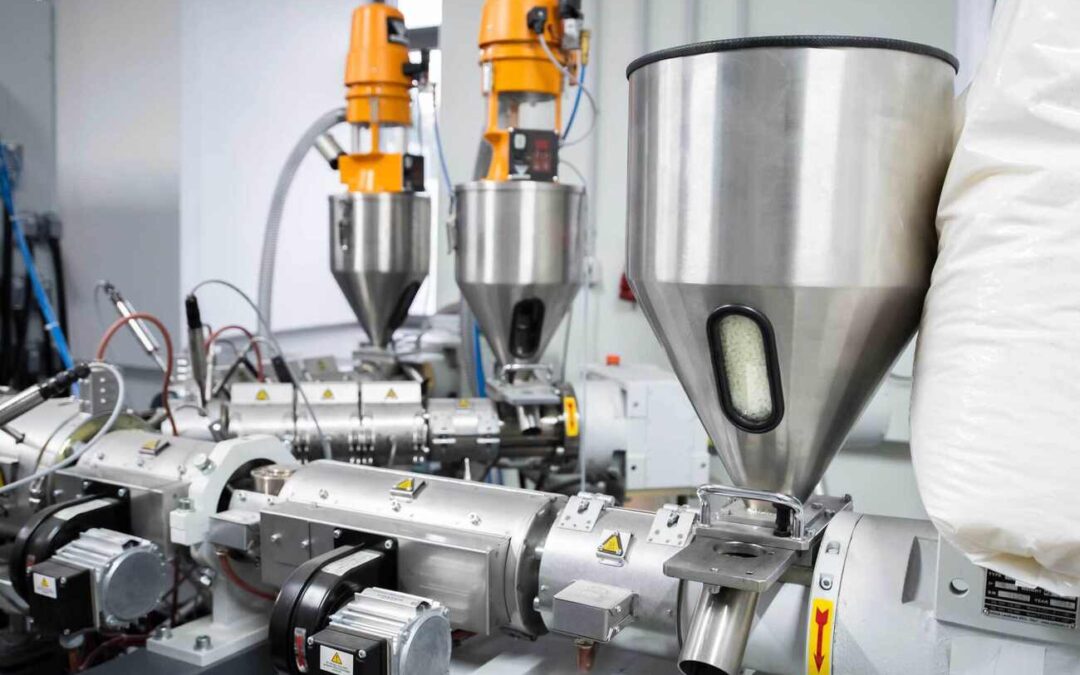
In extrusion, the fluid regulates the temperature along the barrel and die head, ensuring the polymer melts smoothly and flows evenly. Maintaining steady heat is essential for producing smooth, high-quality extruded products like piping, sheeting, and film. Consistent thermal performance prevents material degradation and surface imperfections.
Polymerization & Chemical Processing
Fluids are critical for managing the intense thermal demands of polymerization. They work to dissipate heat generated by exothermic reactions, preventing dangerous hot spots that could compromise the batch’s chemistry. This application demands fluids with exceptional thermal stability and compatibility with process chemicals to ensure safety and product purity.

Comprehensive Maintenance Strategies for Plastics Facilities
A rigorous industrial fluid maintenance program is the best defense against equipment failure and product defects.
Routine Fluid Monitoring: Catching Issues Early
Fluid analysis is the single most valuable tool in thermal fluid maintenance. Plant teams must routinely check for discoloration, viscosity changes, and the presence of contamination (such as water or process polymers).
Viscosity: A sharp change in viscosity indicates thermal degradation (breaking down) or contamination (mixing with another substance).
Total Acid Number (TAN): Regular TAN tests measure the acidity of the fluid. An increasing TAN is the clearest warning sign of oxidation and fluid breakdown, indicating the fluid is becoming corrosive and needs immediate attention before it damages expensive components.
Scheduled Fluid Analysis: Sending samples to a lab on a scheduled basis is the only way to accurately track these parameters and predict when replacement is necessary, allowing maintenance to be scheduled proactively, minimizing downtime.
System Cleaning and Prevention
Over time, fluid decomposition and minor leaks can lead to fouling and buildup within the system’s pipes, pumps, and molds.
Flushing Lines: Periodic flushing with specialized cleaners is necessary to remove carbon deposits and sludge that impede heat transfer. This critical step restores system efficiency and extends the life of the new fluid upon recharge.
Minimizing Downtime: By adhering to a rigorous maintenance schedule based on fluid analysis, facility managers can minimize downtime. Scheduled, short maintenance windows are always less costly than reactive, emergency shutdowns caused by component failure.
Preventing Degradation: Proper inhibited heat transfer fluids contain additives that protect them from premature oxidation and high-temperature stress. Protecting the expansion tank from air exposure (e.g., using a nitrogen blanket) is a low-cost, high-impact measure to prevent fluid breakdown and significantly extend service life.
Expert Recommendations for Plant Managers
Optimizing your thermal fluid program requires specialized knowledge and attention to detail.
Fluid Selection is Protection
Choosing the right fluid is about risk mitigation. Managers must select fluids specifically designed for high operating temperatures and verify their chemical compatibility with all seals, gaskets, and metals in their specific equipment.
Synthetic vs. Mineral Oils: Synthetic fluids often offer greater thermal stability and a wider temperature range, making them ideal for the most demanding, high-heat applications. Mineral-based fluids are typically more cost-effective for systems operating within moderate temperature ranges. The right choice depends entirely on your specific process.
Training and Proactive Planning
An expert fluid program relies on knowledgeable people. Staff training must cover proper fluid handling, safe disposal, and the immediate recognition of warning signs. Maximizing equipment life requires keeping detailed maintenance records for every system. This allows for accurate trend analysis, which is crucial for maximizing the interval between fluid replacements and preventing equipment wear.
Routine Thermal Fluid Maintenance Protocol
Daily and Weekly Monitoring
Daily and weekly inspections focus on immediate, visible indicators of fluid health and system stability. On a daily basis, a visual check of the fluid, often via a sight glass, should be performed. Warning signs such as discoloration, cloudiness, sediment, or an unusual odor necessitate an action of increased monitoring and checking for temperature consistency across the system.
Weekly checks involve monitoring system temperature readings. Warning signs like an unstable or climbing temperature differential are critical, indicating reduced heat transfer efficiency. The appropriate action is to check the flow rate and pressure within the system and prepare a fluid sample for a more detailed analysis.
Quarterly and Annual Maintenance
Less frequent, but more critical, maintenance actions involve specialized testing and complete system overhauls. A quarterly fluid sample and lab analysis is essential. The primary warning signs monitored are an increase in the Total Acid Number (TAN), a drop in the fluid’s flash point, or a significant change in viscosity. If these parameters are outside the acceptable range, the required action is to immediately schedule a complete fluid change and system flush.
Annually, a thorough system inspection should be performed, targeting signs of corrosion on external fittings or residue buildup within accessible components. Identifying these warning signs necessitates planning for a complete system cleanout and a full fluid replacement to restore optimal performance.
Storage and Disposal Management
Maintaining fluid integrity outside of the primary circuit is also vital. The expansion tank should be checked regularly for proper sealing and to ensure the fluid is not exposed to air. If this warning sign is observed, the action required is to check for a nitrogen blanket or proper cap system and top off as necessary to prevent oxidation and premature fluid degradation. Proper fluid disposal must follow all environmental and regulatory guidelines
When a fluid needs replacement, ensure the old fluid is collected and disposed of safely and in compliance with all environmental regulations. Never mix old and new fluids, and always follow proper flushing procedures to ensure a clean start.
The Quality Advantage: Protecting Your Investment and Productivity
For plastics manufacturers, the performance of the thermal fluids is linked to product quality and uptime. By prioritizing high-quality, correctly inhibited heat transfer fluids for molding and adopting a proactive maintenance approach, facilities can prevent costly equipment damage, reduce scrap rates, and maintain a decisive competitive advantage. Your investment in molds and machinery deserves the protection that only a properly managed thermal fluid program can provide.
We encourage all plastics manufacturers to review their current fluid program and maintenance schedule. Contact Douglas Protech for technical support, expert guidance on fluid selection, and tailored solutions to ensure your operations run with maximum efficiency and reliability.