
Efficient thermal management is the quiet foundation of reliability, safety, and energy efficiency in modern commercial and industrial facilities. For engineers and technical decision-makers responsible for mechanical systems, the choice of a heat transfer fluid is a strategic one, directly impacting equipment lifespan, operational cost, and regulatory compliance. As system demands increase, the limitations of traditional cooling media become apparent. Glycol-based thermal fluid solutions consistently outperform common alternatives like water and oil, making them essential for critical environments where uptime is non-negotiable.
What Are Thermal Transfer Fluids?
Thermal transfer fluids, often called heat transfer fluids (HTFs) or coolants, are liquids designed to efficiently absorb, transport, and release thermal energy between processes or equipment. They are necessary because they facilitate controlled temperature management within a closed-loop system, protecting valuable machinery.
Common types of HTFs used in commercial and industrial settings include:
- Water (Pure or Treated)
- Glycol-Based Solutions (Ethylene or Propylene Glycol mixtures)
- Mineral and Synthetic Oils
- Specialty Fluids (e.g., silicones, brines)
The suitability of each fluid depends entirely on the operating temperature range, metallurgy of the system, and safety requirements. This necessity sets the stage for a critical comparison.
Glycol-Based Thermal Fluid: Overview
Glycol-based fluids are water mixed with either Ethylene Glycol (EG) or Propylene Glycol (PG), and can be combined with a specialized corrosion inhibitor package. The addition of glycol is key, as it dramatically modifies the thermal and chemical properties of the base water.
Propylene Glycol (PG): Recognized for its low acute oral toxicity, PG-based fluids are the preferred choice for applications where there is any risk of incidental contact with potable water, food, or beverages (e.g., breweries, dairies, and certain domestic HVAC systems).
Ethylene Glycol (EG): Offers slightly superior thermal transfer properties and is generally more cost-effective. It is used in systems where toxicity is not a concern, such as automotive coolants and many large-scale industrial or closed-loop outdoor chillers.
The versatility of the glycol-water mixture lies in the ability to adjust the concentration to achieve the optimal balance between freeze protection, viscosity, and heat transfer efficiency for any given system.
Comparison: Glycol-Based vs. Other Fluids
Water: This fluid offers excellent heat capacity, is non-toxic, and has a low initial cost. However, its significant limitations include no freeze protection, being highly corrosive to most common system metals, and possessing a low boiling point. Water is typically used in open-loop systems or for short-term testing applications.
Oils (Mineral and Synthetic): These fluids are characterized by a high boiling point, making them useful in high-temperature systems where water or glycol cannot operate. Conversely, they have a low heat capacity and high viscosity, leading to poor pumping efficiency. They can also be flammable and degrade quickly under thermal stress. Typical applications include commercial frying and high-temperature reactors.
Glycol-Based Solutions (Ethylene and Propylene): The primary advantages of glycol-based fluids are excellent freeze protection, superb corrosion control (with the inclusion of inhibitors), low toxicity (for Propylene Glycol), and non-flammability. Their main drawback is a slightly lower heat capacity compared to pure water, and they require proper maintenance and fluid testing to ensure inhibitor effectiveness. They are essential for critical applications such as commercial HVAC, process cooling, and medical equipment.
Key Advantages of Glycol-Based Thermal Fluids
Glycol-based fluids are the solution of choice for critical, year-round operations because they solve the two primary threats to closed-loop systems: freezing and corrosion.
Superior Freeze Protection: Pure water freezes, expands, and bursts pipes. Glycol lowers the freezing point, protecting equipment and infrastructure in cold climates or during seasonal shutdowns. This protection is non-negotiable for external chillers and piping exposed to the elements.
Advanced Corrosion Inhibition: Unprotected water aggressively attacks system metals. High-quality glycol formulations include an inhibitor package that chemically coats metal surfaces, preventing corrosion, scale formation, and sludge buildup. This is critical for maximizing heat exchanger efficiency and extending the life of pumps and expensive coils.
Stable Performance: Glycol-based fluids remain stable across a wide operational range, from deep freezing to high process temperatures. This eliminates the risk of phase changes (boiling or freezing) that can compromise system integrity and efficiency.
Safety and Compliance: Propylene glycol heat transfer fluid is recognized as Generally Recognized as Safe (GRAS) by the FDA, making it the standard for applications requiring food or human contact safety, ensuring compliance with strict health regulations.
Applications: Where Glycol-Based Thermal Fluids Excel
The robust protection and consistent performance of glycol-based fluids make them indispensable across several critical industrial sectors:
High-Tech & Pharmaceutical Manufacturing
In these sectors, temperature precision is non-negotiable.
Medical Imaging (MRI): MRI machines generate intense heat during operation. They rely on tightly controlled closed-loop glycol systems to circulate a specific, highly clean fluid (often PG-based for safety) to rapidly cool the internal magnets and electronics. Uptime and reliability in a healthcare setting are paramount.
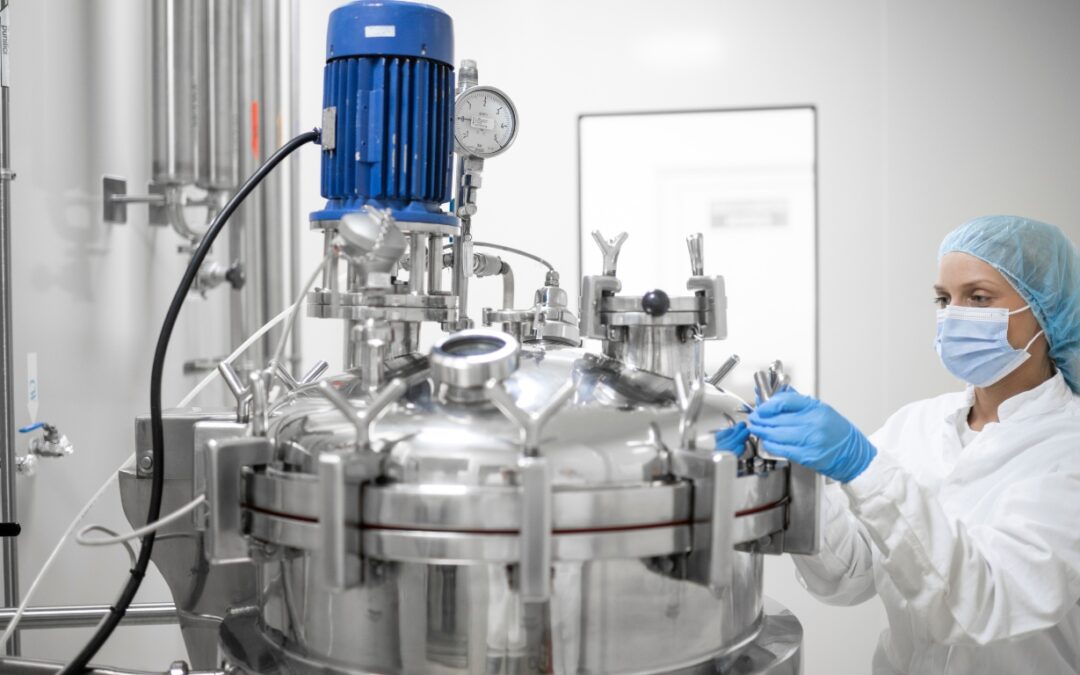
Pharmaceuticals: Chemical reactors used to mass-produce medications rely on closed-loop thermal fluid systems. The fluid is circulated through a jacket surrounding the reactor and can be precisely heated or cooled by boilers and chillers to manage the reaction, ensuring the final product’s purity and yield.
Semiconductors: Chip fabrication plants use chillers to circulate high-purity thermal fluids to cool sensitive equipment during processes like plasma etching and chemical vapor deposition. This industrial-scale cooling is critical for preventing microscopic defects in the millions of circuits on each wafer.
Energy & Power Generation
Thermal fluids play a central role in capturing and transferring immense amounts of heat.
Concentrated Solar Power (CSP): Power plants use thousands of mirrors to heat a thermal fluid (like molten salt) to extremely high temperatures. This fluid is then used in a heat exchanger to boil water, creating high-pressure steam that drives industrial turbines to generate electricity for the grid.
Waste Heat Recovery: Manufacturing plants, such as steel mills or glass factories, use thermal fluids to capture waste heat from their processes. This captured heat can then be used to generate electricity or provide process heat elsewhere in the facility, improving overall energy efficiency.
Industrial Food & Beverage Production
Consistency and safety are key in commercial food production.
Commercial Frying & Baking: Industrial-sized fryers (for products like potato chips) and tunnel ovens (for baked goods) circulate hot thermal oil. This provides exceptionally even and stable heat across the entire cooking surface, ensuring a consistent product quality that is difficult to achieve with direct-fired methods.
Pasteurization & Sterilization: In large dairies, breweries, or beverage plants, thermal fluids are used to heat products to specific temperatures for pasteurization. The same system, connected to a chiller, can then rapidly cool the product to safe storage temperatures.
Transportation & Logistics
Moving temperature-sensitive materials at scale demands reliable heat transfer.
Railroad Tank Cars: Tank cars carrying materials like asphalt, bitumen, or certain bulk chemicals must be heated for unloading. At the destination terminal, a boiler heats a thermal fluid that is pumped through external coils on the tank car, liquefying the contents so they can be pumped out.
Choosing the Right Glycol-Based Fluid
The true strength of glycol-based thermal fluids lies in the ability to customize the formulation for the specific equipment and environment. Choosing the right glycol type (propylene vs. ethylene) and maintaining proper concentration is critical for performance and regulatory compliance.
Customization for Performance: Optimal system performance is achieved by precisely setting the glycol-water concentration to provide the required freeze protection while minimizing viscosity to reduce pumping energy.
The Inhibitor Package: The inclusion of a tailored corrosion inhibitor package is non-negotiable. This package is formulated to protect the specific metals (e.g., steel, copper, brass) present in your system’s components, ensuring longevity.
Added Benefits: As an added benefit, leak detection dyes can be included in the formulation to help monitor the equipment. This allows maintenance teams to quickly identify and repair leaks, preventing fluid loss and protecting the integrity of the system.
Determining the best custom glycol-based formula for each system drives optimal system performance and efficiency. You want to choose the right thermal fluid formulation with proper consultation.
Maintenance Best Practices
Even the best fluids require vigilance. Regular maintenance and fluid testing are essential to monitor the inhibitor levels and PH balance, ensuring the fluid retains its long-term efficiency and system health. As inhibitor packages deplete over time, the fluid must be either replenished with inhibitors or replaced entirely before corrosion begins.
Douglas ProTech supports clients by providing laboratory fluid analysis and technical consultation, helping facility managers move from reactive repairs to proactive system maintenance.
Schedule a Call with Douglas ProTech
Glycol-based thermal fluids provide a crucial performance advantage in critical industrial and commercial applications. Their superior freeze protection, non-toxic options, and customizable corrosion inhibition make them the most reliable choice over water and oils. By choosing the right tailored glycol-based formulation, engineers can significantly reduce operational risk, enhance energy efficiency, and protect expensive infrastructure, securing the longevity and performance of their thermal management systems.
Ready to enhance your system’s reliability and efficiency? Contact Douglas ProTech today for a technical consultation or to schedule a comprehensive system assessment to determine the ideal customized glycol-based thermal fluid solution for your facility.