The transition from a successful harvest to a profitable sale involves various risks that are often difficult to see. While agricultural focus traditionally centers on the growing season, the period between harvest and market is a time when significant economic value can be lost. Post-harvest grain loss caused by stored product pests presents a threat to individual farm profitability and regional food security. To manage these risks, proactive protection is often necessary. Phosphine fumigation for grain storage has become a common industry standard for safeguarding these assets. It provides a compliant method for maintaining grain integrity through the distribution chain.
Why Protecting Stored Grain Matters
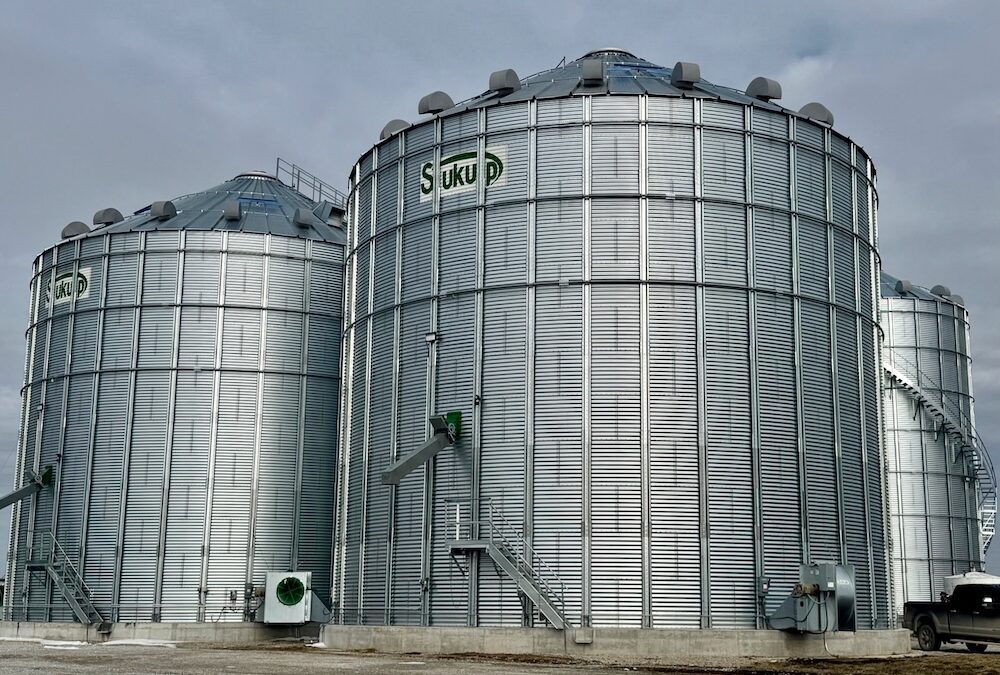
Once grain enters a silo, elevator, or a shipping vessel, it can become a target for specialized pests. These insects are often small enough to go unnoticed until a significant population has developed within the grain mass. Common invaders include:
- Weevils: These insects are known for boring into individual kernels to lay eggs, which allows the larvae to consume the grain from the inside. They are considered internal feeders.
- Beetles: Also known as “bran bugs”, beetle species such as the flour beetle, flat grain beetle, saw-toothed grain beetle and lesser grain borer feed on grain dust and broken kernels, often increasing the temperature and moisture levels of the storage environment. This can lead to secondary mold growth.
- Moths: The Indian meal moth can create surface webbing that clogs handling equipment and restricts necessary airflow through the bin. This webbing is often the first visible sign of an issue.
The economic impact of an unmanaged infestation can be substantial. Beyond the physical loss of grain volume, infestations often lead to quality downgrades and the possibility of entire loads being rejected at the terminal. Regulatory requirements and international shipping standards frequently mandate pest-free certificates. This makes effective post-harvest grain fumigation an important part of the modern supply chain.
PH3 – An Industry Standard for Grain Fumigation
What is PH3?
PH3 is Douglas ProTech’s brand name for Aluminum Phosphide, a solid chemical compound which produces hydrogen phosphide, commonly referred to phosphine gas, an effective fumigant used to manage pests in stored commodities. Aluminum phosphide is typically applied in solid form as a grain treatment, often in the form of tablets or pellets. These solids react with moisture to produce phosphine gas.
How it Works
When solid aluminum phosphide is exposed to atmospheric moisture, it reacts to release phosphine gas. This gas is capable of moving through the entire grain mass. It targets pests at various life stages, including eggs, larvae, pupae, and adults. This penetrative ability is one of the primary reasons phosphine is chosen for large-scale storage. It reaches areas that liquid sprays might miss.
The gas functions as a true fumigant by filling the interstitial spaces between individual kernels and penetrating the kernels. Because it is not a particulate or a droplet, gravity does not limit its movement. It can move upward, downward, and laterally through the bulk density of the grain. This ensures that insects hiding in the center of the bin are reached. Even pests tucked inside the grain husks or small crevices in the bin walls are exposed. The gas maintains a steady concentration if the seal is tight. This persistent presence is what allows the treatment to be effective. It provides a level of coverage that surface treatments generally cannot match. Proper airflow management helps the gas distribute evenly. Consistent distribution leads to more predictable results across the entire facility.
Characteristics of PH3
- Cost efficiency: It can provide protection for large volumes at a relatively low cost per bushel. This helps maintain margins for large operations.
- Residue profile: When used according to the label instructions, aluminum phosphide does not leave residues on the grain. It typically does not affect the milling or baking qualities of the final product.
- Compliance: It is a widely accepted method for both domestic use and international trade, fitting within most EPA and international regulatory frameworks.
Application Best Practices
Proper dosage and application procedures are critical for successful results. Because aluminum phosphide is a restricted-use pesticide, working with a professional fumigator is generally considered a reliable approach to ensure safety and efficacy.
Formulation and Methods
Tablets vs. pellets: Pellets are smaller and tend to release gas more quickly. Tablets have a slower release profile, which may be more suitable for larger volumes or specific temperature conditions. Selection depends on the specific storage environment.
Application methods: The fumigant can be applied manually during the bin-filling process or through automatic dispensers. In some cases, specialized probes are used to treat grain that is already established in a mass. For ships, fumigations normally take place either dock side or at anchorage, and then it sails under fumigation.
The Importance of Sealing
For a fumigation to be successful, the storage structure must be effectively sealed. This might involve using gas-tight membranes or specialized tapes to close off vents and gaps. Effective sealing contains and concentrates the phosphine fumes. This ensures the gas remains at a lethal concentration for the duration of the required exposure period, which is necessary to eliminate eggs and larvae that may be more resilient to the treatment. Without a proper seal, the gas may dissipate before the cycle is complete.
Safety and Compliance
Users must follow all EPA guidelines and restricted-use protocols. Safety equipment and monitoring devices are necessary to protect personnel during the process. For detailed technical guidance, professionals can download the Douglas ProTech PH3 application manual, SDS, and info sheet.
Results and Benefits
A professional fumigation program can lead to a higher long-term return on investment. By reducing shrink and preventing quality downgrades, grain handlers may find it easier to maintain marketability and secure better prices. Consistency in grain quality is often a key factor in long-term buyer relationships.
From an environmental perspective, phosphine is often seen as a practical choice. It degrades relatively quickly and is not known to be persistent in the atmosphere. Once the fumigation is complete and the storage site is properly aerated, the phosphine breaks down into non-toxic byproducts. This allows the grain to move forward in the supply chain without lingering chemical concerns.
Why Choose Douglas ProTech
Douglas ProTech has extensive experience in the agricultural sector and provides more than just products. We offer consultation and support for various stages of the storage process. Whether managing a farm silo or a large export terminal, our range of aluminum phosphide products and technical guidance can help maintain the value of the harvest.
To further support pest management strategies, we also offer related solutions such as Vapo-Cide fogging agent for elevators and warehouses, and Dusta-Cide 6 protectant for farm bins.
Consider your storage needs carefully. Contact Douglas ProTech for a consultation, or visit our PH3 product page to download application resources and find a dealer in your area.
FAQ
Q: Is PH3 suitable for most types of grain? A: When used as directed on the label, PH3 is commonly used for raw agricultural commodities such as corn, wheat, soybeans, and rice. It is also used for some processed foods.
Q: Does PH3 alter the quality of the grain? A: One of the characteristics of aluminum phosphide is that it generally leaves no residue. It is not expected to affect the milling, germination, or baking characteristics of the grain.
Q: How long does the process typically take? A: The duration depends on factors like temperature and the type of storage. It usually requires several days to ensure full gas release and sufficient exposure time to address all life stages of the pests. Cold temperatures may extend this time.